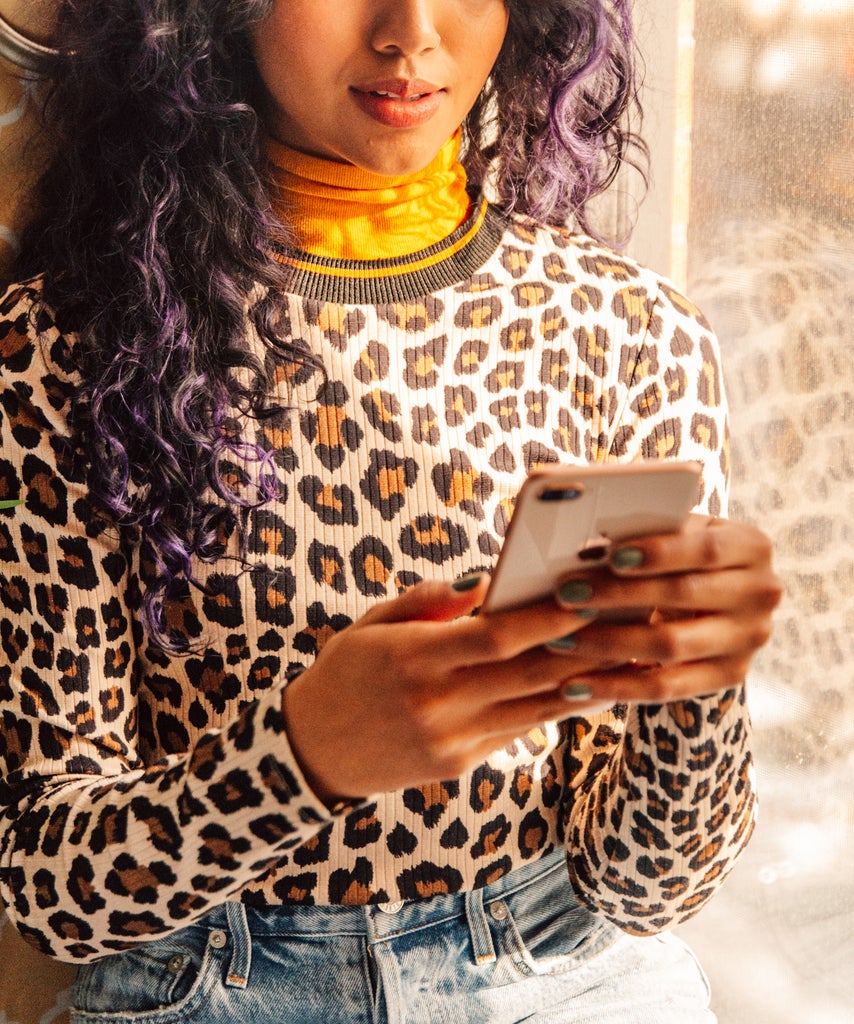
Spring has sprung — and no, this isn’t an April Fools joke. If you’ve ventured outside in the last few days, you were likely met with the standard spring fare: sun, showers, and temps above the 50s. This calls for a complete wardrobe switch-up. Gone are the days when puffers, shearling jackets, and layers upon layers of Heattech were necessary for even the briefest of outdoor stints. Welcome warm-weather outfit possibilities with skirt-boots combinations, lightweight outerwear like trenches and quilted jackets, and silk, cotton, and linen frocks. Hell, I wore shorts yesterday… in March… in NYC!
To help make the transition from scarves and coats to dresses and sandals a breeze, we went ahead and gathered up some looks worthy of a try this spring. Think: floral pants (groundbreaking!) paired with graphic baby tees, split-leg jeans with brightly-colored slides, and mini dresses styled with cowboy boots.
Click on for 20 cute spring outfits that will make you excited to dress up again.
Buying flowers in a floral dress is a sure-fire sign that spring has sprung.Not even the rain can drain the color out of this look.— PAID —
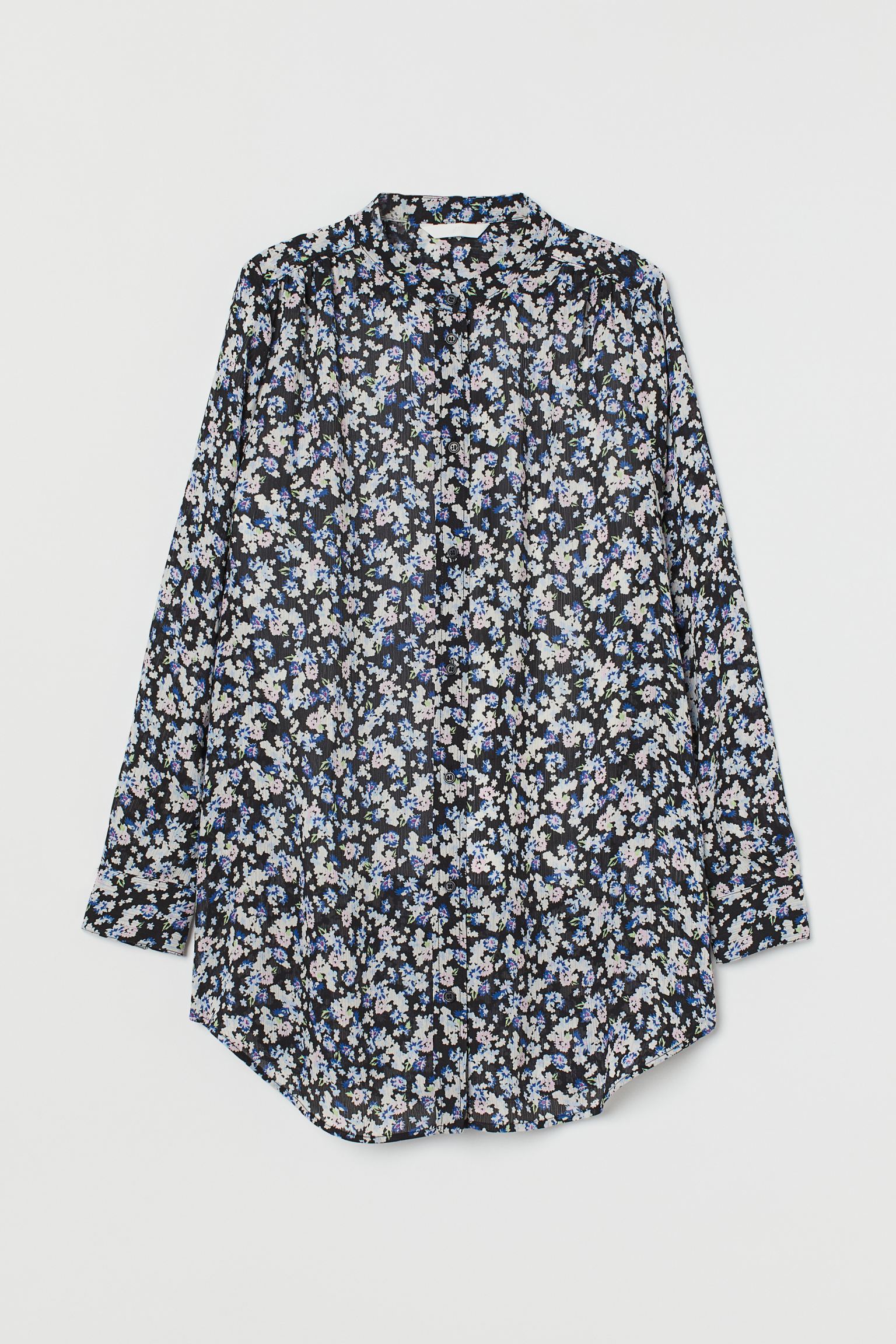
Any look that includes this airy floral top deserves to be documented.
H&M Patterned Blouse, $, available at H&MWhen it's spring, but you can't quite get rid of your winter accessories.Guy Fieri tops forever!Spring in a picture is a pink slip dress, boots, and a green field of grass.You heard it here first: Midriffs are spring's hottest trend.When your outfit matches the garden >>>Let there be frocks!It's tank top season, baby! (And in turn, time to switch to iced matcha lattes.)There's no better time of year to wear head-to-toe purple.It's the pirate-cowboy crossover boots for us.Tip: Wear your leather pants now before summer makes them impossibly steamy (and not in a good way).Between the trench, the tote, the flowers, and the clogs, this look is checking off every one of our spring boxes.Even the furniture appears perfect for spring.There's nothing quite like knee-high boots with a mini dress, especially when it's paired with an oversized leather jacket.This is some Princess Diana-level scarfing.The whole 'fit is good, but the anklet over the boot is the real star, if you ask us.I don't know about you, but I'm really craving a mint chocolate chip Prada bag.Workout gear, but make it fashion.
Like what you see? How about some more R29 goodness, right here?
With spring just around the corner (insert praying hands emoji), we’re looking to make some purchases that will help get the new season off to an endorphin-boosting start — namely, workout clothes. Since we wore last year’s leggings into the ground (and into the couch), we’re looking to get our blood pumping with a renewed commitment to exercise and hopefully, some new activewear.
But before we start filling our carts with spandex eye candy, we’re considering the impact that our synthetic-heavy activewear purchases have on the environment. Those eye-catching sports bras and compression leggings are primarily made from polyester and nylon, which, after they’ve done their tour of duty on the track or in the gym, will permanently clog landfills.
Luckily, an increasing number of brands are using recycled iterations of these stretchy fabrics, or working with renewable fibers like bamboo and even wool. Your options for having a low environmental impact with that high-impact workout are greater than ever — click ahead to see 18 of our favorites resources for eco-friendly workout gear.
At Refinery29, we’re here to help you navigate this overwhelming world of stuff. All of our market picks are independently selected and curated by the editorial team. If you buy something we link to on our site, Refinery29 may earn commission.
Reformation
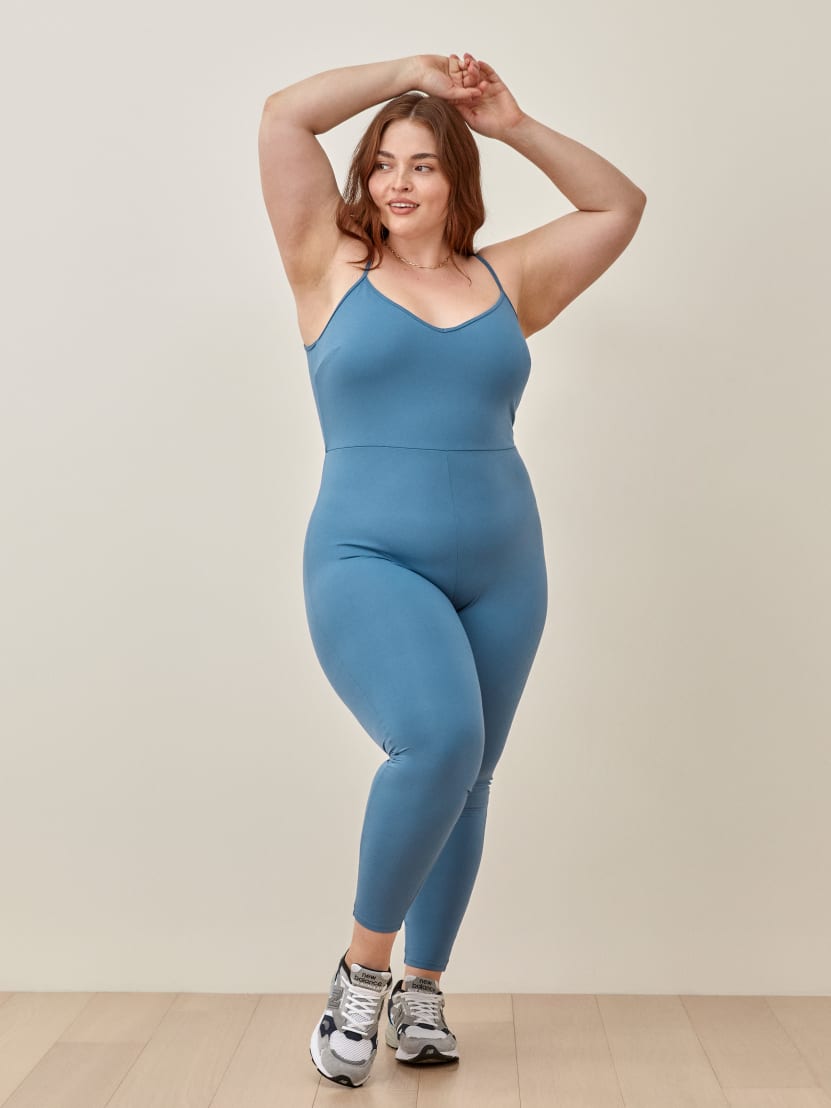
Our go-to purveyor of low-impact bridesmaid and date-night dresses just launched a line of stretchy separates intended for sweaty activities. Customers can choose from either EcoMove — meant for higher-intensity movement — or EcoStretch, which is better suited to, well, stretching. Either way, sustainably-minded shoppers will be happy to know that Ref’s goods are made from REPREVE, a polyester that gives new life to recycled plastic bottles.
The direct-to-consumer brand is well-known for its lower-impact offerings, which include recycled-nylon fleece pullovers and second-life cotton toppers. The sustainable scope includes the brand’s Perform collection, a group of leggings, bike shorts, and tops made of a lightweight, second-skin fabric comprised of 58% recycled nylon.
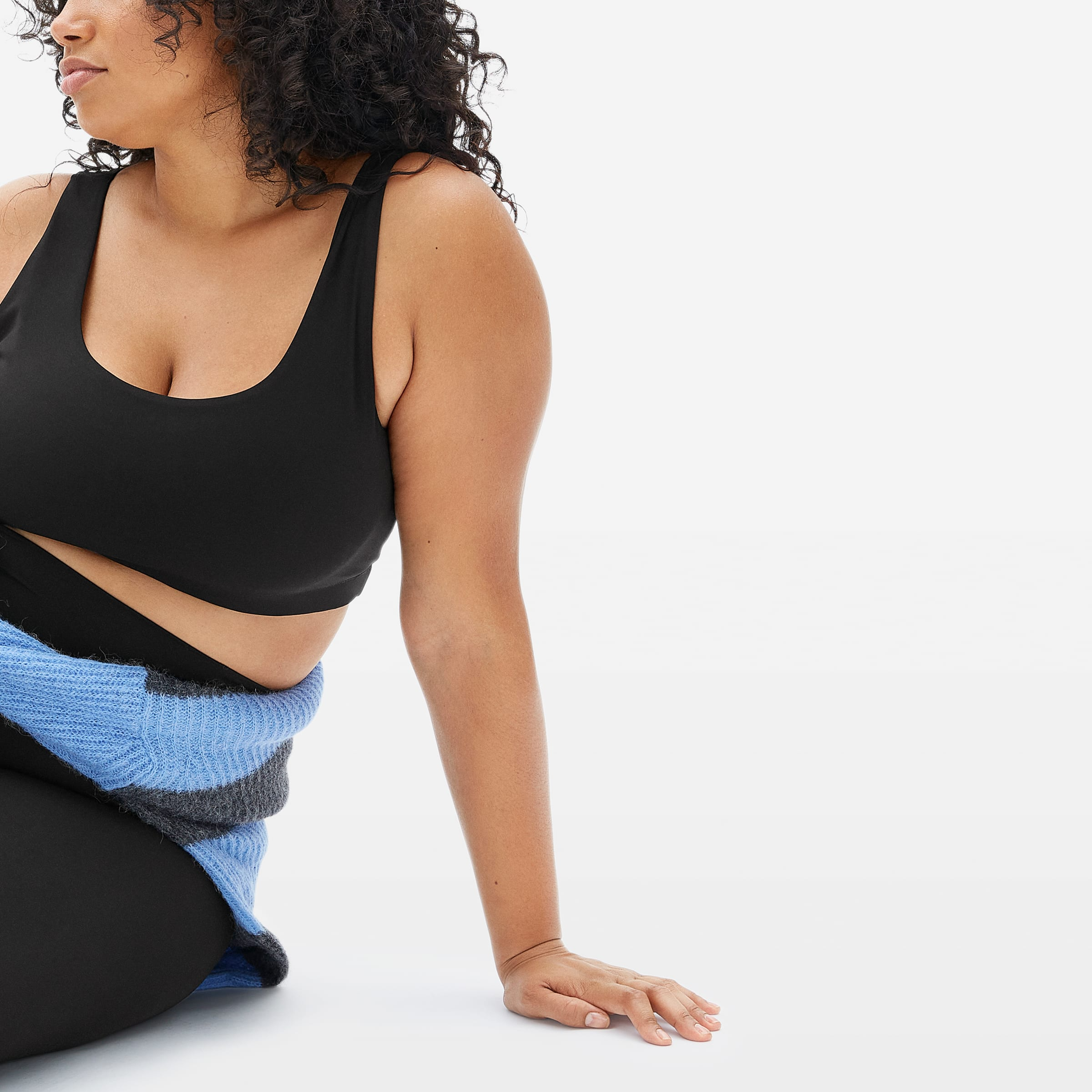
Everlane The Perform Bra, $, available at Everlane
Summersalt
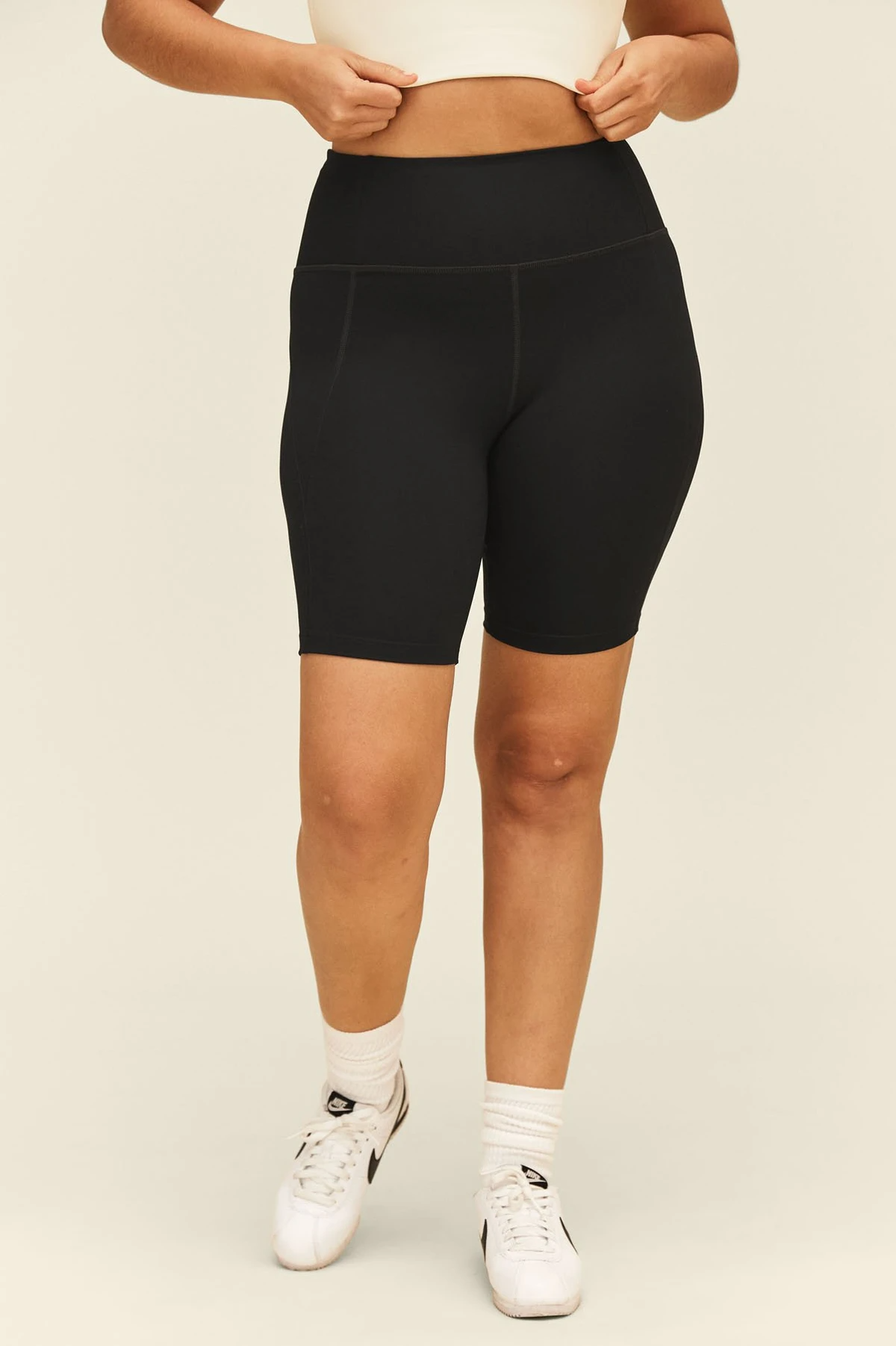
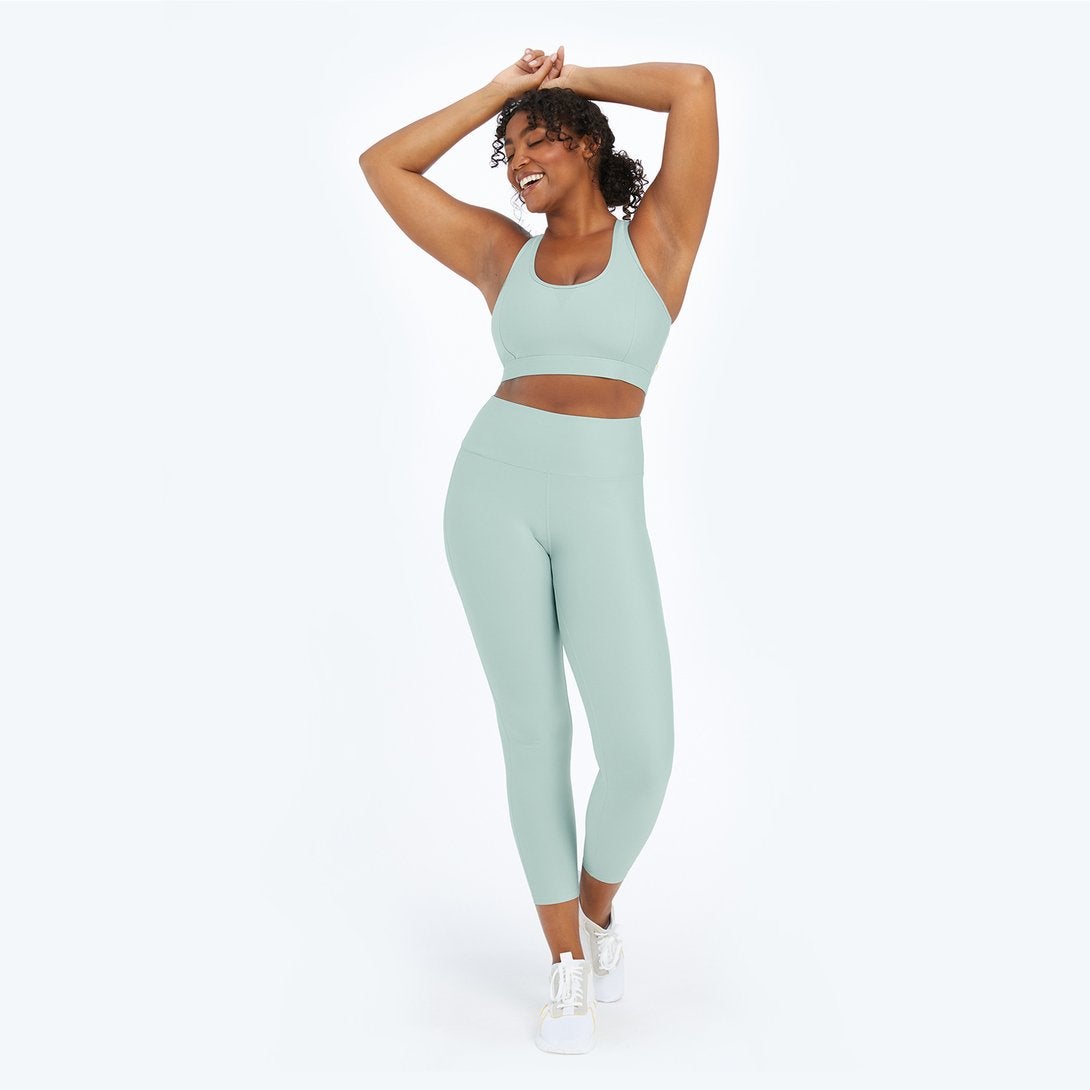
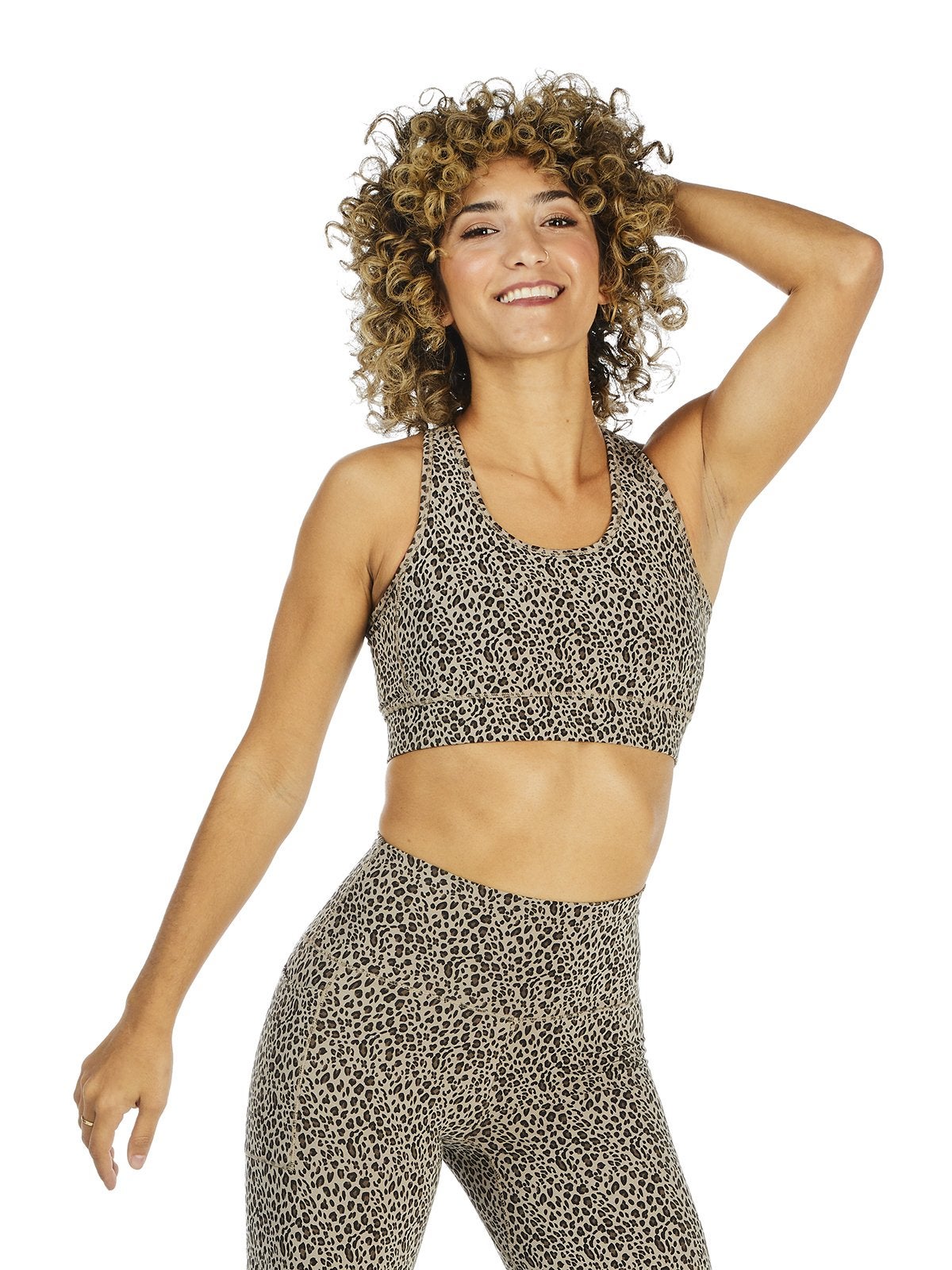
The inclusively-sized swimwear brand dipped its toes into activewear in 2020, launching a collection of bras, bike shorts, leggings, and windbreakers made from a lower-footprint blend of recycled polyester. Even better, the collection is rendered with the brand’s signature cheerful approach to color and pattern — unexpected hues like seafoam green and remixed zebra prints round out the assortment.
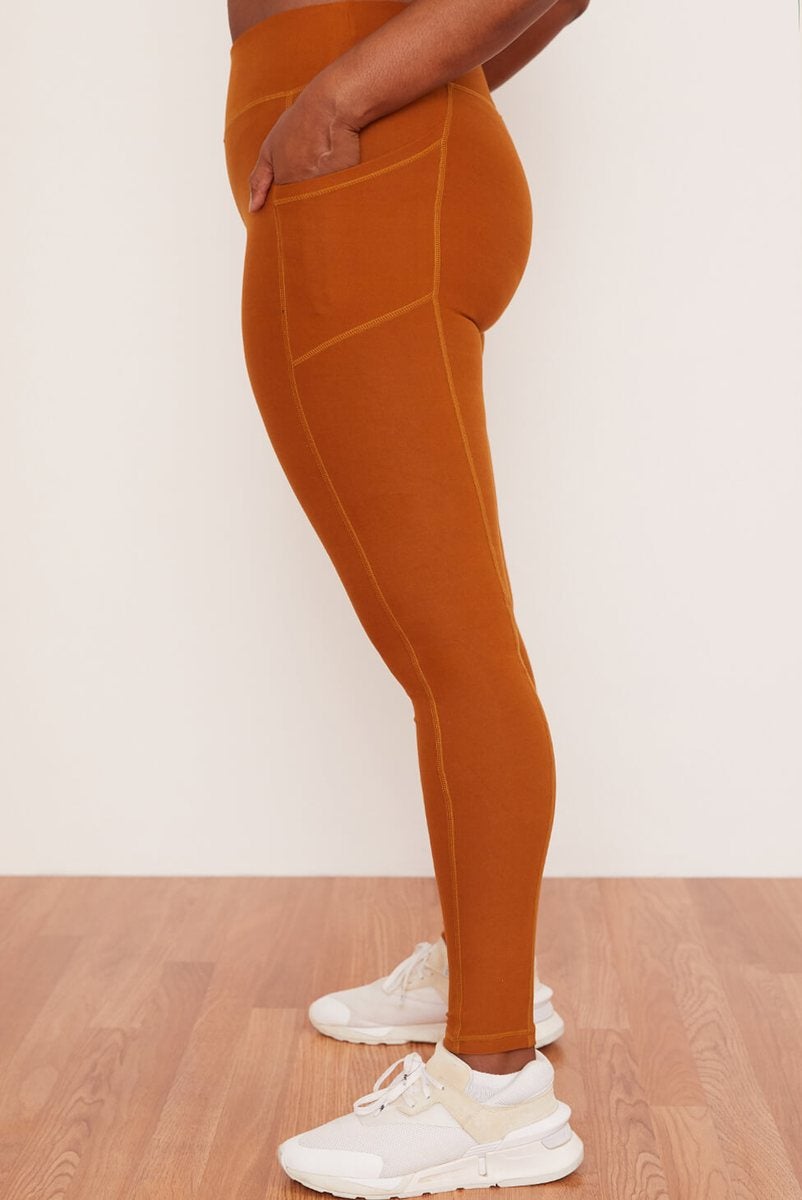
Summersalt The Do-It-All High Rise 7/ 8 Leggings, $, available at Summersalt
Athleta
The Gap-owned athlesiure brand (and certified B corp) has some impressive eco-forward cred — 76% of the materials that the brand uses are considered sustainable, including recycled polyester and nylon, TENCEL, and organic cotton.
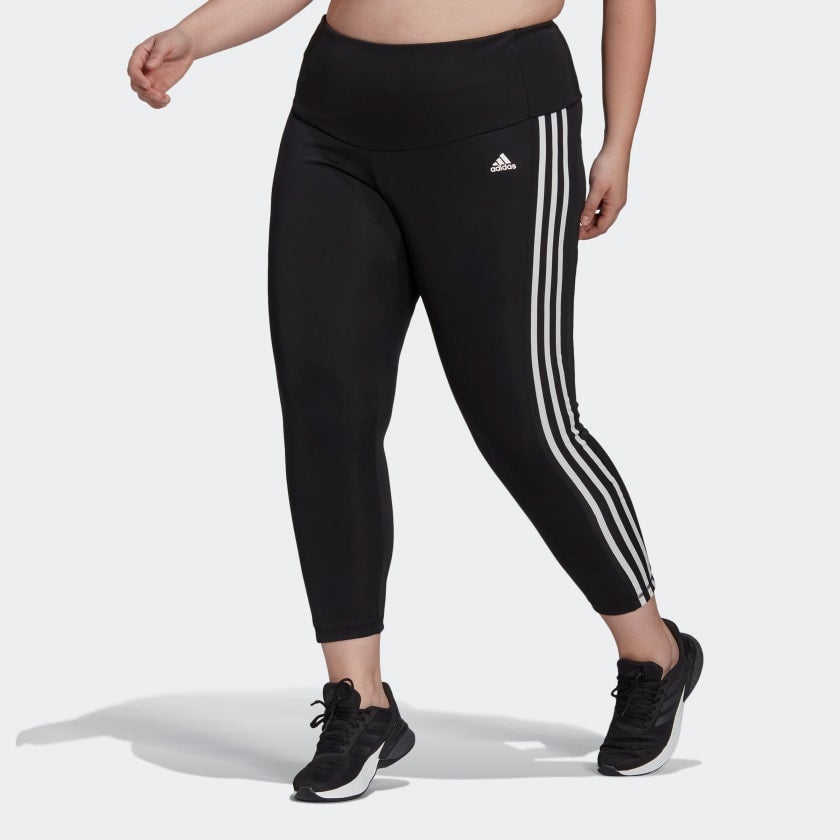
The heritage sneaker brand intends to use 100% recycled polyester in all of their products by 2024 — a lofty but necessary goal for company with such a massive footprint (literally and figuratively). You can shop their existing selection of recycled-fiber options on the Primegreen landing page, which includes everything from workout must-haves like their iconic three-stripe leggings and beloved Ultraboost sneakers to everyday items like top-rated face masks and a eco-friendly take on everyone’s favorite white sneaker, the Stan Smith.
Adidas High Rise Sport Tights, $, available at Adidas
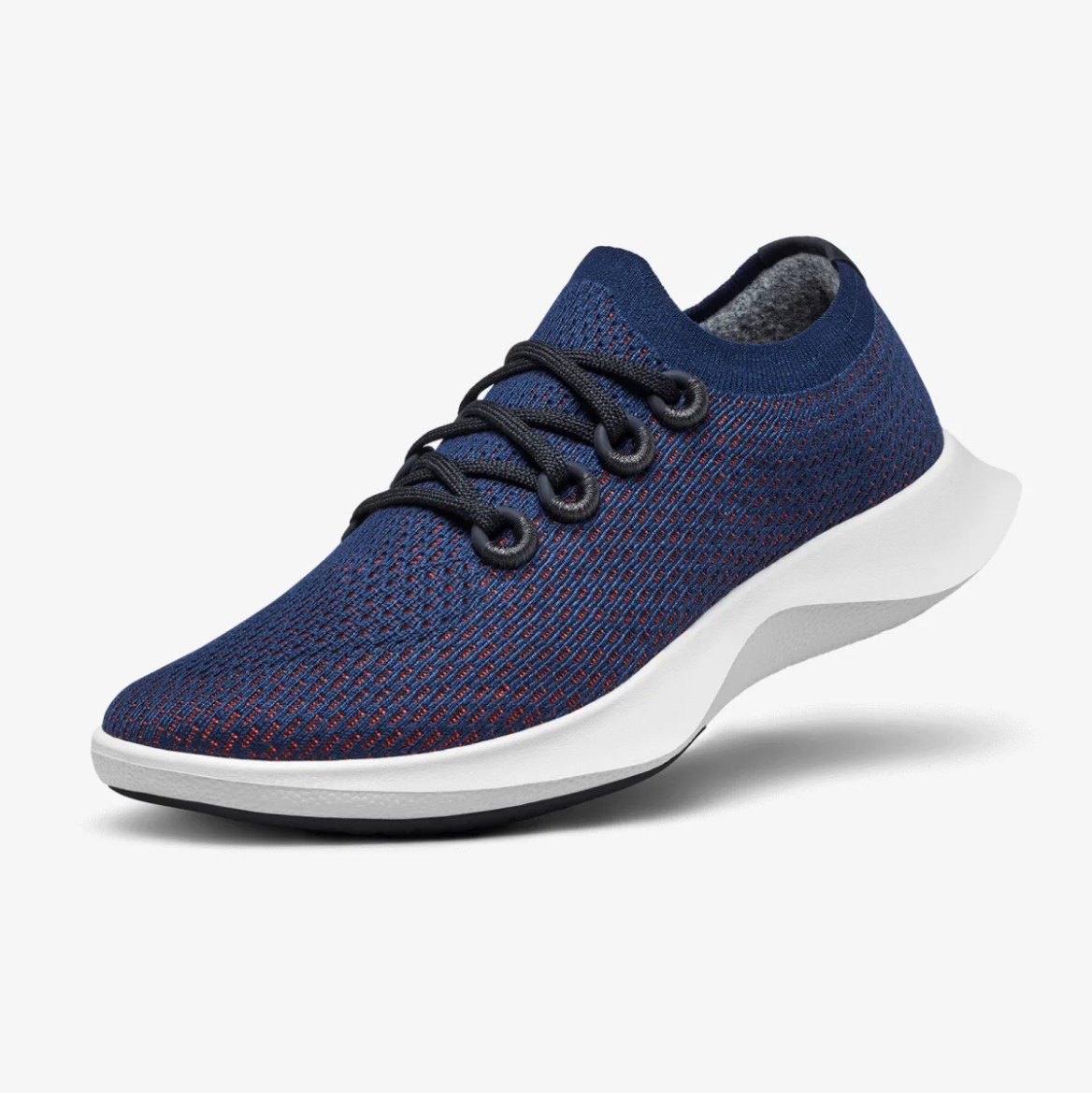
Allbirds
These lightweight sneakers are made from merino wool, which requires 60% less energy to manufacture than a synthetic sneaker, in addition to being biodegradable. The brand's New Zealand-sourced wool is also certified by ZQ Merino, an industry watchdog that ensure sheep are being raised with the highest standards of welfare and sustainability.
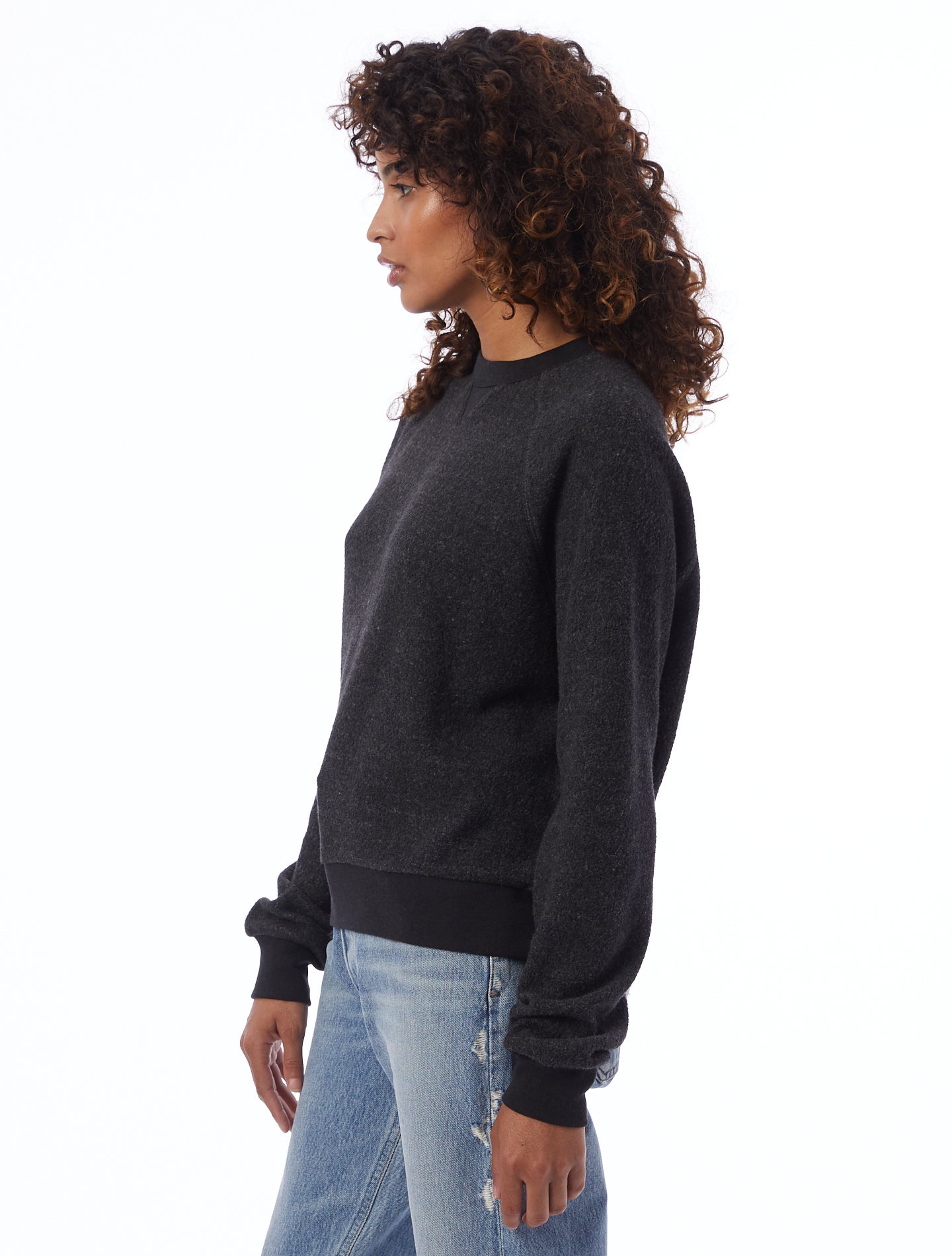
The longtime basics brand has a landing page devoted to workout-friendly goods that also check the low-impact box, thanks to fabrications in renewable fibers like tencel and recycled cotton and polyester. Their cozy gear is perfect for warming up or cooling down.
Alternative Apparel Baby Champ Eco-Teddy Sweatshirt, $, available at Alternative Apparel
Cotopaxi
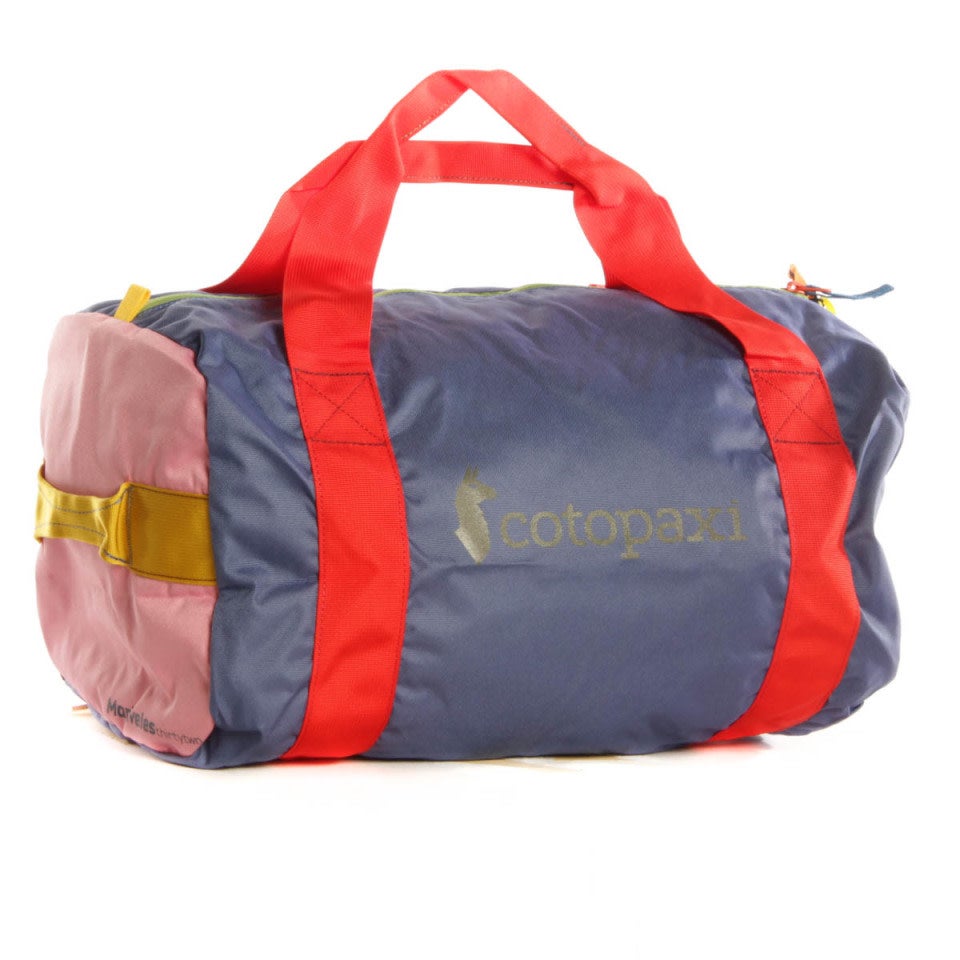
In addition to being a B Corp-certified activewear brand with a goal of “funding sustainable poverty alleviation” through their products, outdoor and activewear brand Cotopaxi also offers a number of environmentally low-impact products. We especially love their Del Dia collection, a series of workout- and travel-friendly packs that are made from excess production fabric sourced from the brand’s factory in the Phillippines.
Cotopaxi Mariveles Duffel Bag, $, available at Cotopaxi
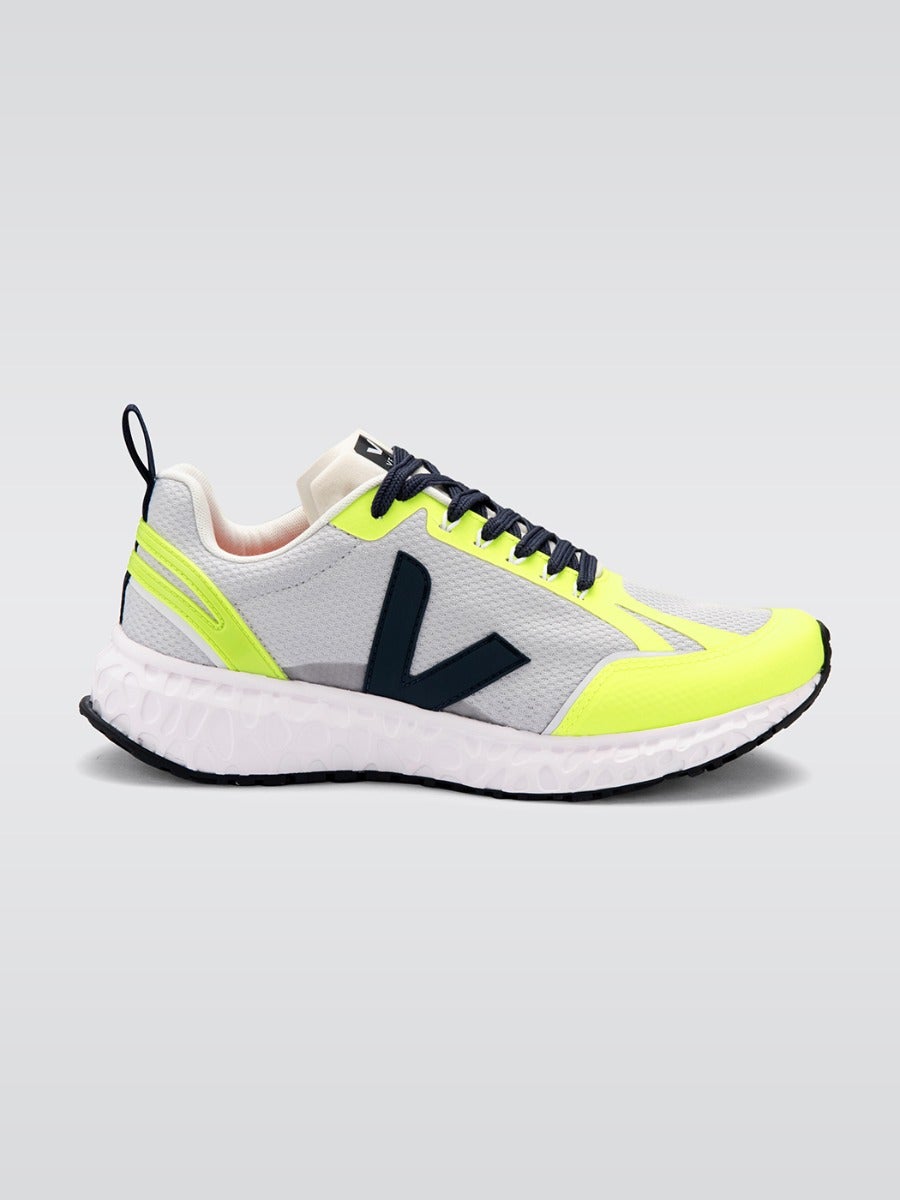
Veja
While it’s primarily revered for its casual eco-friendly street sneakers, French footwear brand Veja offers a running sneaker that was four years in the making — and it's as next-level as you could imagine. The body is made of a lightweight, breathable mesh derived from recycled water bottles, and the rubber sole is made of sustainably harvested from the Amazonian rainforest.
The outdoor retailer has been eco-aware since its inception in 1973, and it continues to innovate ways to lower the impact of their products. The brand’s range of activewear is no exception, with an assortment of leggings, bras, and insulating layers made from organic and recycled fibers.
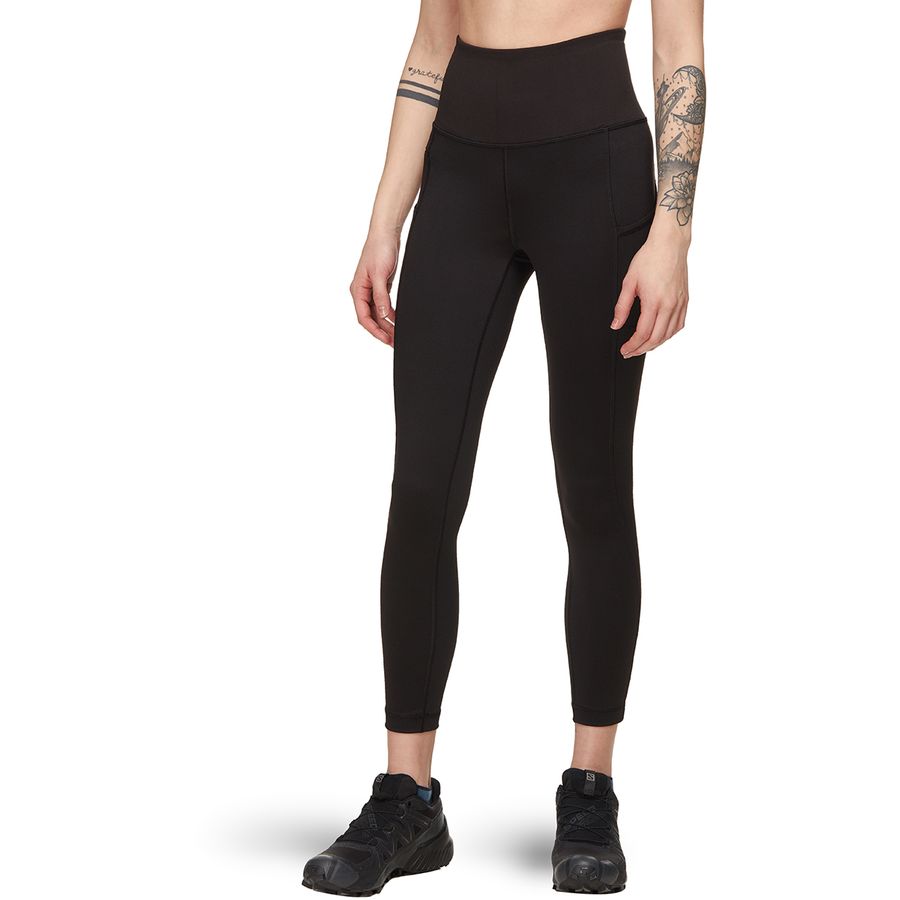
Patagonia Pack Out Lightweight Tight, $, available at Backcountry
Manduka
Point your browser towards this yoga accessories brand’s “Made For Good” landing page, which collects all of its eco-minded products — including mats made from biodegradable rubber, recycled EVA-foam blocks, and towels containing repurposed plastic bottles.
Manduka Recycled Foam Yoga Block, $, available at Manduka
Smartwool
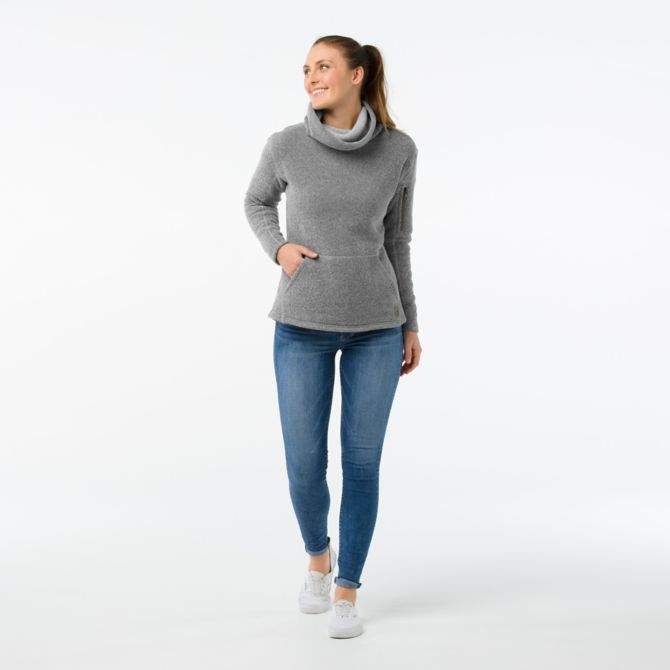
Another brand using ZQ-certified merino is Smartwool, a Colorado-based outdoor outfitter that specializes in everything from intimates to sweat-wicking base layers to toasty outer layers.
While this loungewear brand is relatively new on the scene, its star is on the rise thanks to an assortment of easy-chic separates made from organic, Fair Trade-certified cotton. Whether you’re in search of breathable undergarments for your next workout or some super-soft tees for those early-morning jogs, Pact has you covered. (And yes — they do make leggings.)
All of Wolven’s garments are made with OEKO TEX-certified recycled P.E.T fabric (RPET), which is made from recycled plastic water bottles. Not only are they determined to help save the planet, but their fun patterns and colorways help bring a little curb appeal to the sustainability game.
Natural Hair Styles: Taking Care of Your Hair After the Big Chop
6 Things You Must Do After the Big Chop!
Exhilarating to terrifying. The decision to go for the big chop, whether it’s your first time or your third, can send us on a rollercoaster ride of emotions. It is a good style option if you are going from processed to natural hair or if you need a fresh start after your curly hair has suffered excessive heat damage.
Of course, there are many who decide to go for the big chop and rock the TWA (teeny weeny afro) it brings because they are looking for a new, awesome style. It can be a way of welcoming a major life change or a new stage of your life, too.
Whatever the reason, the TWA is a great opportunity to get to know and understand your natural curly hair while developing your own natural haircare routine.
Moisturize
Among the many different lengths and textures of Black hair, short hair is notorious for how fast it dries out. Prevent drying by moisturizing your TWA daily. Your curls look healthier and you get better results for twist outs and Bantu knot outs when your hair is properly moisturized.
Practice the LOC method of liquid (water-based moisturizer) followed by a sealing oil and then a cream. Also, have a bottle of moisturizer handy to spritz your hair as needed throughout the day. Deep conditioning once a week or every two weeks really helps to hydrate and moisturize curly hair, too
Protect
Hats. wigs, braids, and extensions can protect your ends while limiting moisture loss. Other protective measures include wrapping your curls at night, sleeping with a bonnet, and using a silk or satin pillow case. Remember, too, that your hair and scalp still need to be moisturized if you decide to go with a protective style.
Trim
Trimming your short hair is necessary for it to grow back stronger and longer (if new length is what you are after). Damaged ends also negatively affect curl definition. A 6-8-week trim is often recommended but you can lengthen the time between trims if you reduce breakage by moisturizing regularly and aiming for low manipulation of your curls.
Wash
Clean hair and scalp are best for healthy natural hair growth. Wash your hair weekly or every other week, as needed, keeping in mind that product build up makes hair harder to style. If having shorter hair makes gives you the urge to wash it each time you are in the shower, then co-washing (conditioner washing) is a good option for you.
Product Selection
The best piece of advice here is to find what works for you. That will probably mean a lot of experimenting in the beginning of your TWA to find a good combination of what you like and what works.
Your basic natural haircare products will include a sulfate-free shampoo and conditioner to cleanse your hair; moisturizer (such as a leave-in conditioner); sealing oil to lock all the lovely moisture in; and a styling gel.
Style
Short hair is NOT equal to boring hair. There is a myriad of natural hair styles that go really well with your TWA. Twist outs, Bantu knots, finger shingling, finger coiling, and a wash and go are just a few. And, you may decide to do an all-over color or just highlights. For the cut itself, consider a taper or fade with a side part (or two).
Embrace and Enjoy!
You have a brand new look and many natural hairstyles that go with it. You also have healthy hair (or you’re working to get it there) – so enjoy it and yes, even flaunt it a bit!
Recipe for Growth: Foods that Greatly Boost Hair Growth
by Jane Okoji
Boost Hair Growth With a Healthy Diet
Here’s a fun fact for you. Did you know you could have a million-and-one hair-mazing products and STILL have issues with your hair health and boosting hair growth?
The road to your healthy hair journey isn’t complete if you haven’t gone through at least one or all of these three stages:
The product junkie stage
The obsessive length-check stage, and
The DIY stage
In the DIY and product junkie stages, the Internet is your best friend, and you’re prepared to try out almost ANYTHING on your hair that promises to get you waist length hair overnight, even, you guessed it, food.
Now, don’t come for us. You can decide to stuff your hair with fruit juices, honey, and other foods to improve your hair’s health, which is great.
But the real question is: What are you “stuffing” YOUR body system with?
As for their bodies, they could care less. The oily fries, greasy hamburgers, and steamy pizzas will do. Does this sound like you?
If it does, you have a lot of changes to make — diet-wise. Your hair needs external (from topical application of products, DIY masks, etc.) and internal (from your diet) nourishment to grow strong and healthy.
Are you looking to finally get intentional with your diet and discover what foods make hair grow faster? In this article, we discuss essential foods that boost hair growth and improve your hair’s health. Read on to know more!
Recipe for Growth: Foods that Boost Hair Growth
1. Fatty Fish
Fatty fish, like mackerel, herring, and salmon are excellent sources of omega-3 fatty acids, selenium, vitamins for hair growth (vitamins D3 and B), and other nutrients that help boost healthy hair growth!
In fact, fatty fish is one of the major foods for hair thickness. So if you’d like to step up your hair game, aim to eat fatty fish around 1-2 times weekly.
We understand that a lot of people are not cut out for this fishy business. If you’re one of them, read on to find a more compatible food for hair growth!
2. Eggs
When you think about eggs, what’s the first thing that comes to your mind? — Proteins! Eggs are the right foods for hair thickness. They are rich sources of biotin and protein: two major nutrients for hair growth.
Adding proteins to your diet will only promote hair growth because proteins are the main components of your hair follicles. And if you’re biotin deficient, research shows that you can boost your hair growth by consuming more biotin.
Eggs are the best of both worlds — you can source both nutrients (biotin and protein) from them. So if you prefer your eggs either boiled, poached, in some sauce, etc., try your best to enjoy a wholesome egg meal (at most 3 whole eggs per day) as much as you can!
Avocados
Just take a look at this picture. Would you like to have a bite or go for the whole plate? It’s the whole plate for us!
Avocados do more than just sit pretty on a plate and taste oh so good. They can also help grow and thicken your hair and improve its health.
These yummy fruits are super sources of healthy fats and vitamin E, the perfect formula for hair growth.
If you already haven’t, why not give avocados a try? They’re both great internal and topical ways to give your hair just the boost it needs!
Vitamin D
According to research, vitamin D deficiency can lead to hair loss. You can source this vitamin from fish liver oils, animal fats, eggs, fatty fish, and foods fortified with vitamin D.
What’s more, your body also synthesizes (makes) this vitamin when you get exposed to the sun’s ultraviolet rays. We understand you’d want nothing to do with sun damage, so you can stick to your sunscreen and source your vitamin D from your diet and supplements.
Vitamin D doesn’t only help recreate new hair follicles, but also keeps your skin healthy and bones strong. So it’s a win-win for your hair and entire body!
Our Final Thoughts
To get all the necessary nutrients to boost your hair growth and avoid being nutrient deficient, make that healthy switch in your diet today!
Every day, aim to eat a well-balanced diet and drink plenty of water (8 glasses per day) to help transport all the essential nutrients to their target organs and regions around your body!
Now you’re equipped with the essential ingredients to nurse your hair, you can get to nourishing your hair back to good health and length!
DURHAM, NEW HAMPSHIRE – FEBRUARY 10: Rep. Alexandria Ocasio-Cortez, (D-N.Y) speaks before introducing Democratic presidential candidate Sen. Bernie Sanders (I-VT) to the stage during his campaign event at the Whittemore Center Arena on February 10, 2020 in Durham, New Hampshire. The state’s Democratic primary is tomorrow. (Photo by Joe Raedle/Getty Images)
During a Tuesday Q&A, Rep. Alexandria Ocasio-Cortez challenged the language used around immigration, particularly as outlets and prominent Republicans like Sen. Ted Cruz continue to discuss and emphasize a “surge” of migration.
“This is not a surge. These are children, and they are not insurgents and we are not being invaded, which by the way, is a white supremacist idea,” she said in an Instagram Story, adding that the word “surge” is often used to invoke a militaristic way of looking at immigrants. “The idea that if an other is coming in the population, that this is like an invasion of who we are.”
These comments came after a follower asked why Ocasio-Cortez hasn’t been “addressing the border crisis” as much as she used to. She proceeded to break down the myriad ways other issues relate to the situation at the U.S. border. “Well, we’re talking about it, they just don’t like how we’re talking about it. Because it’s not a border crisis. It’s an imperialism crisis, it’s a climate crisis, it’s a trade crisis,” the congresswoman explained. “Also, it’s a carceral crisis. Because as I have already said, even during this term and this president, our immigration system is based and designed on our carceral system.”
Ocasio-Cortez has been an outspoken critic of both Donald Trump and Joe Biden’s approaches to immigration and incarceration. “This is not okay, never has been okay, never will be okay – no matter the administration or party,” she wrote on Twitter after The Washington Post reported that a migrant facility had been opened under the Biden administration. “Our immigration system is built on a carceral framework. It’s no accident that challenging how we approach both these issues are considered ‘controversial’ stances.”
However, many Republicans have shown outrage at the state of immigration under Biden — for opposite reasons. A group of a dozen GOP senators recently visited a facility in Texas, and although Cruz also drew attention to the inhumane living conditions, he denounced the “influx of migrant crossings” and described the people he encountered as smugglers and cartel members. Biden has responded to claims about increased migration, arguing that the “significant increase in the number of people coming to the border… happens every year.”
Ocasio-Cortez says, however, says that if Republicans are really concerned about immigrants, they should consider that this topic is multipronged. Take the issue of climate change. “The U.S. has disproportionately contributed to the total amount of emissions that is causing a planetary climate crisis right now,” she said on Tuesday. “It’s South Asia, it’s Latin America that are gonna be experiencing the floods, wildfires, and droughts in a disproportionate way, which ding ding ding, has already started a migration crisis.”
Instead of creating fear-mongering around migration, we should focus on fixing these issues. Ocasio-Cortez has also created, along with Rep. Pramila Jayapal and several others, an immigration reform resolution called the Roadmap to Freedom. The proposal calls for a fair immigration process with a path to citizenship, policies that protect communities living at the border, and modernized laws with humane, community-based alternatives to detention centers.
“Sometimes I see people respond to our current immigration policy with, ‘Well, what else can we do?'” Ocasio-Cortez tweeted in February. “There’s a lot we can do.”
Like what you see? How about some more R29 goodness, right here?
The TikTok has two million views — and counting. You might have even seen it already. It opens on a person wearing a tie-dye Thrasher T-shirt, pointing to a text bubble over their head that reads: “Things you didn’t realize could be ADHD.” Over the next 60 seconds, the creator acts out a handful of symptoms, including feeling angry over small things, “anxiety shivers,” having hard time with rejection, making random noises unconsciously, being very competitive, and hyper-focusing on interests.
Entering the comments on this video feels a little like conducting an archaeological excavation. You get the sense that you’re traveling back in time, uncovering the evidence of aftershocks first, before digging down to the remnants of the catalyst itself. At the top of the comments, the creator warns viewers against self-diagnosing. “Y’all… Relating to problems is perfectly fine.. But self diagnosing and going off tellin people you have it.. Not okay.” [sic] Keep reading, and you’ll see more and more people emphatically saying that no one should assume they have ADHD based on the video. It isn’t until several scrolls later that you finally begin to notice people actually doing that, saying things like, “Wait, these random/anxious shivers aren’t normal?” and “I didn’t know I had adhd” and “I… think… I think I have ADHD.”
Similar conversations — an insistence on not self-diagnosing accompanied by countless responses doing just that — are playing out in the comments of videos about anxiety, trauma, narcissistic personality disorder, autism, and more. Sometimes, the responses are pure identification, user after user claiming “this is me” and asking “everyone doesn’t do this?” (One creator responds, “I’m sorry you had to find out this way,” followed by the pensive sad face emoji.) But often, especially in more popular videos, other voices chime in too, pointing out that the video wasn’t made by a professional, or that the symptoms it lists are vague and easily applied to anyone. Sometimes, like in the ADHD video, the outcry against self-diagnosis can reach such a fever pitch that it’s easy to imagine that TikTok has the entirety of Gen Z convinced that their every habit is the result of one mental illness or another.
How rampant TikTok-related self-diagnosis is — and whether it’s even a bad thing — is up for debate.
“I think it’s positive,” says Kim Heyes, PhD, a senior lecturer of health and social justice for the Department of Nursing at Manchester Metropolitan University. “In every society — globally — we’ve been told that we have to reduce our mental health stigma, but nobody talks about what mental health looks like. And that’s what I love about these TikToks, and the conversations that are happening on online forums like Reddit.” People talking about how their anxiety or ADHD manifests and how they cope with symptoms increases mental health literacy, which refers to our knowledge of mental health, Dr. Heyes says. In her eyes, that’s a good thing.
She’s not concerned by the fact that people might begin to believe that they have a certain condition after watching these videos. “If a person finds a TikTok that relates to how they’re feeling, they’re unlikely to stick to TikTok,” Dr. Heyes points out. “They’ll go and have a look at other places online to see if there’s more information out there,” she says. Their research will either cast doubt on their original suspicion, or validate it — and if they continue to believe their self-diagnosis is valid, they’re likely to seek out support from loved ones or a professional.
One red flag she raises is when it comes to medical treatment. “Mental health medication generally has huge side effects, so if it’s not well-controlled, that can be really dangerous,” Dr. Heyes notes. But she believes that few people who diagnose themselves with a condition would wind up getting and taking psychiatric drugs in an attempt to treat their symptoms.
There are people, however, who think that TikTok self-diagnosis can sometimes be harmful.
“It’s a gray area, really,” says Inna Kanevsky, PhD, a professor of psychology at San Diego Mesa College. Dr. Kanevsky stresses that she’s not a clinical psychologist, and therefore doesn’t diagnose people firsthand. She goes by @dr_inna on TikTok, where she has 843.1K followers and frequently posts stitches, duets, or responses to videos she thinks are spreading misinformation about mental health. “I’m watching this trend and what I’m seeing is concerning me,” she says.
Dr. Kanevsky acknowledges that certain mental health conditions are indisputably underdiagnosed. “As far as things like ADHD or autism, these were dismissed in people who were assigned female at birth for years, due to the mistaken belief that it was just in boys, and because of not understanding how things manifest differently in women,” she says. “So I’m hesitant to say that you shouldn’t pay attention to what’s on TikTok, and you shouldn’t diagnose yourself, or a therapist must diagnose you.”
But she takes issue with videos that seem to encourage people to use them diagnostically, like those that ask viewers to “put a finger down” if they identify with certain experiences. “Lots of things that show up in these videos aren’t actual symptoms of these conditions. They may be common for people with these conditions, but they also may happen in other conditions,” Dr. Kanevsky explains.
“I always say trust, but verify,” says Lesley Cook, PsyD, a clinical psychologist in Richmond, VA, who creates content on TikTok as @lesleypsyd. “There are people who knowingly spread misinformation, and people who may think they’re experts, but who are speaking on topics they don’t fully understand.” This can lead to confusion and a lack of public trust in the medical community. “If someone sees a video that tells them they have ADHD, and they get an assessment and are told they don’t, it can undermine the authority of the field. They may come away thinking, ‘Doctors don’t know what they’re talking about,” she says.
Though social media shouldn’t be anyone’s primary source of medical information, Dr. Cook believes that self-diagnosis can be valid. “If you take the really long lens look at psychology and psychiatry, it originated as a very oppressive symptom toward women, toward people of color, and toward people with disabilities,” she explains. The U.S. health system still favors those with more money, so she supports the idea that people may choose to opt out of that system, as long as they do it in an informed and responsible way.
Paige Layle, known as @paigelayle on TikTok, where she has 2.4 million followers, also supports self-diagnosis — but, like Dr. Cook, not necessarily from TikTok alone. Layle was diagnosed with autism soon after her 15th birthday, after a suicide attempt led her to a child psychiatrist. Five years later, she has amassed her following largely from posting about neurodiversity. “I began speaking about autism because of people being ignorant on TikTok and using the word autism as a synonym for stupid. I posted a video addressing [this], and it was the first one that got more than 100 likes. It actually got more than 100,000 likes. That’s when I kinda saw that people may want or need this information and I can give it to them,” Layle explains.
She doesn’t post “put your finger down”-style videos; her work is focused on providing education, raising awareness, and fostering community. In her eyes, “Self-diagnosis is and has to be valid. There are a million reasons why people cannot get a clinical diagnosis,” she explains, adding, “My number one thing is use multiple credible sources to assist you, not just me.” Layle points people who think they may be autistic to a YouTube video she recently posted “about your next steps which includes self-diagnosing tips if that’s what you have access to, but also tips on talking to your doctor to get assessed.” (Dr. Kanevsky also offers tips for people who can’t afford mental health care on her TikTok.)
One reason it’s helpful to see a professional for diagnosis is to get a safe and effective treatment plan. Both Dr. Kanevsky and Dr. Cook say false information about treatments for various mental health conditions circulate on platforms like TikTok, alongside incorrect information about symptoms. “People give dietary advice that isn’t validated and doesn’t help those conditions. They recommend supplements that are not okay to take without medical supervision,” Dr. Kanevsky says. “You might not be finding solutions that actually can help you.” Dr. Cook says she’s even seen people encouraging those with ADHD to replace their stimulant medication with L-tyrosine, a supplement. “That’s troubling,” she says.
While Dr. Cook says that not everyone needs a clinical diagnosis, not having one can limit people’s — especially young people’s — access to certain helpful resources and accommodations, like those provided by schools. Layle wishes self-diagnosis were enough to secure accommodations for those who need them. “It comes down to a scarcity mindset of resources so we need to prioritize who gets help, when in reality if someone would benefit from an accommodation, they should receive it regardless of if they have a $3000 piece of paper,” she says. But for now, notes Dr. Kanevsky, “If they aren’t seeking out a professional consideration, then they deprive themselves of these opportunities as well.”
The bottom line seems to be this: It’s fine to watch TikToks about mental health conditions and identify. It’s fine to post these videos. Talking openly about mental health helps reduce stigma around certain conditions, and provides a community to people who need one. But these videos are providing a very incomplete picture — especially when you consider that anyone can post to TikTok, and that the platform’s algorithm is designed to show you videos that are very similar to the ones you’re already interacting with, limiting the opposing viewpoints you see.
So if you begin to wonder if you have a condition based on what you’re seeing on TikTok or other platforms, treat that suspicion as a starting point. Make sure the people you’re listening to — even on TikTok — are licensed professionals, ideally ones who specialize in the field you’re looking into, Dr. Cook suggests. Read about the condition in a variety of medically sound resources (like the DSM-5). And if you can, visit a mental health professional. As Dr. Cook says, “The people who watch my content deserve more than a one-minute video. They deserve to be the focus of someone’s assessment and care.”
Like what you see? How about some more R29 goodness, right here?